Safe Human Foods for Cats (and What to Avoid)
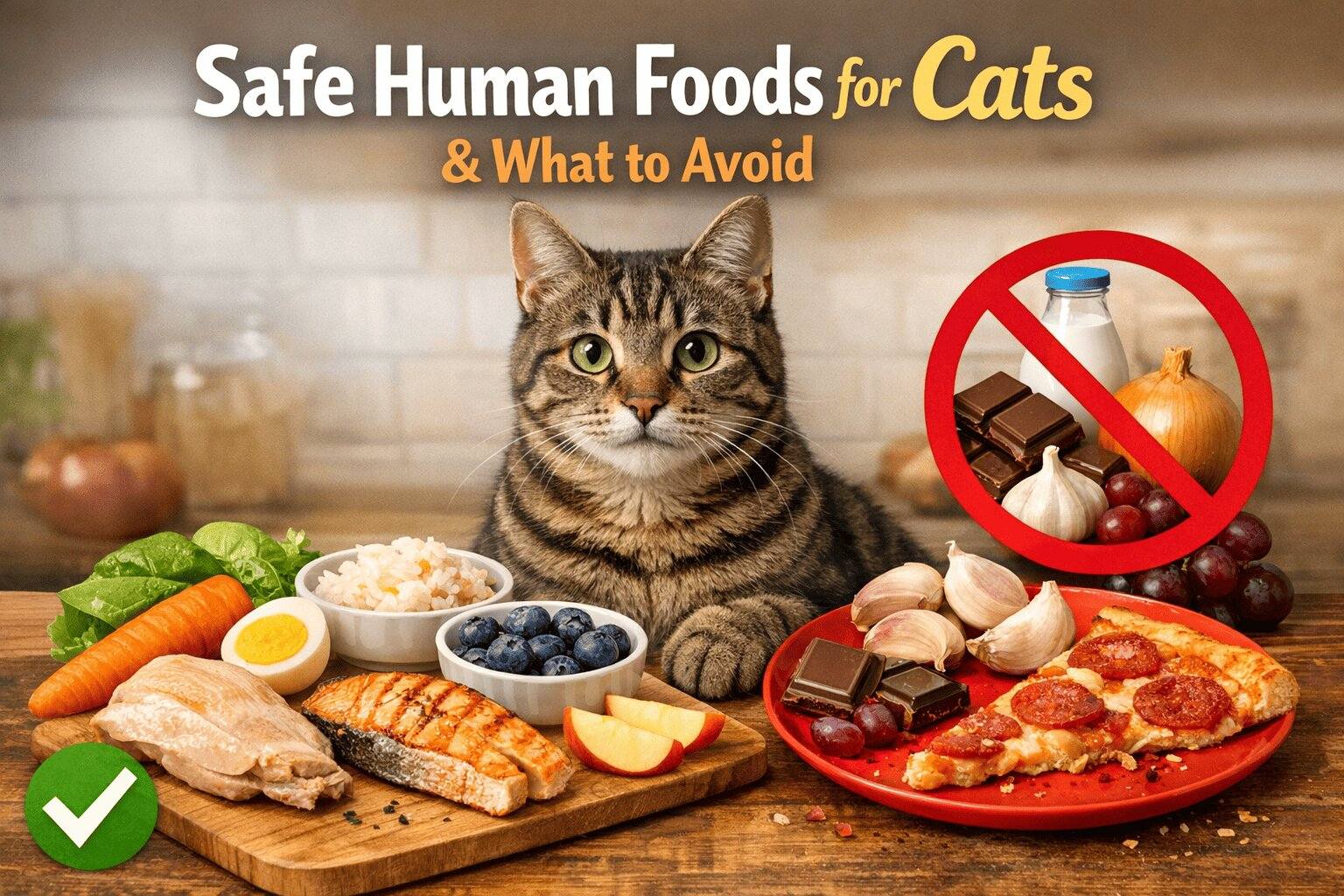
Last weekend I sat on the kitchen floor in our tiny HDB flat, chopping ginger for Sunday’s chicken rice, when Milo — that greedy tabby who thinks he owns the place — parked himself right between my knees. Eyes wide, tail flicking like he was conducting an orchestra. He knows the sound of the cleaver on the board means something good might drop. I gave him a tiny shred of plain steamed breast before I added the garlic and soy. He devoured it in one gulp and looked up like, “That’s it?” Classic Milo. That little moment reminded me how easy it is to share — and how quickly it can go wrong if I’m not careful.
Living in Singapore, food is everywhere. Hawker centres, wet markets, the auntie next door frying sambal prawns at 7 a.m. Cats smell it all. They beg with those big slow blinks, and our hearts melt. But cats aren’t little humans in fur coats. They’re obligate carnivores. Meat first, always. Most human stuff should stay human stuff. Still, a few things from our kitchens can be safe treats if you play by the rules. Here’s what I’ve learned after eight years of trial, error, and late-night vet Google searches.
Proteins They Actually Love (When Done Right)
Plain cooked chicken is the undisputed king. I boil a whole breast without salt, skin, or anything fancy, then shred it into fingernail-sized pieces. Milo goes crazy for it. Many of us already cook chicken for congee or Hainanese-style — just pull out a plain portion before the ginger-scallion sauce hits. Same goes for turkey if you can find it (not always easy here, but NTUC sometimes stocks it around Christmas). Lean beef works too — think sukiyaki cuts boiled plain. No marinade, no oyster sauce.
Fish feels natural because so many Asian families eat it steamed or grilled. Salmon or mackerel, cooked through, bones and skin removed — a small cube once or twice a week adds omega-3s without overdoing it. I tried giving Milo a bit of my Teochew-style steamed pomfret once (sauce on the side, of course). He licked the plate clean. But too much fish long-term can mess with thiamine, so moderation is key. Never raw. No sashimi scraps from the conveyor-belt place. Bacteria risk is real.
Eggs? Yes. Scrambled or hard-boiled, no oil, no salt. I sometimes make an extra plain one during breakfast rush. A teaspoon mixed into his kibble feels like a luxury upgrade.
The golden rule: everything plain, fully cooked, no bones. Bones splinter. Seasonings hide danger. Garlic and onion lurk in almost every stir-fry, curry, or nasi lemak paste. More on that nightmare later.
A Few Vegetables (Yes, Really — Sometimes)
Most cats ignore plants, but a couple can help. Steamed pumpkin — the kind we put in porridge — pureed plain is magic for tummy issues. Loose stool? A bit firms things up. Constipation? It softens. I keep a small tub in the fridge from when I make buah keluak soup (minus the spice, obviously).
Carrots or peas, steamed soft and chopped tiny, add fibre. Broccoli too. Not every cat cares — Milo sniffs and walks away half the time — but when he does nibble, I feel like I’m doing something wholesome.
Fruits in Tiny Doses
Fruit is trickier because of sugar. Watermelon (no rind, no seeds) is mostly water and refreshing on humid days. A few blueberries or a thin strawberry slice once a week won’t hurt. Banana mash — literally a quarter teaspoon — is okay occasionally. I tried offering Milo a piece of pear during Mid-Autumn. He batted it across the floor like a toy. Fair enough.
Portions stay ridiculously small. Treats should never exceed ten percent of daily calories. A four-kilo cat doesn’t need much.
Grains? Only If You Must
Plain white rice or brown rice — a teaspoon mixed with meat — bulks without harm. Cats in rice-eating households often lick stray grains anyway. Oats cooked plain work the same way. But grains aren’t their natural fuel. Think of them as occasional filler, not a meal.
The Stuff That Can Actually Kill Them
Here’s where my stomach twists. Onions and garlic. They’re in everything — sambal, curry rempah, bak chor mee gravy, even some mooncake fillings. These alliums wreck red blood cells. Cats get anemic fast. Weak, fast breathing, dark urine. I once panicked after Milo licked a spoon I’d used for garlic aioli. Nothing happened (tiny amount, quick vomit), but the guilt lasted weeks. Chives, leeks, shallots — same family. Powdered forms concentrate the toxin. Skip every dish with them.
Chocolate. Theobromine poisoning. Vomiting, racing heart, seizures. Festival seasons are dangerous — chocolate-dipped strawberries, Kinder surprises, even some ang pow chocolates. Keep it locked.
Grapes and raisins wreck kidneys. Some cats show no signs until urine output stops. Raisins hide in festive cookies or trail mix.
Dairy. Most adult cats in Asia (like most humans here) lose lactase. Milk, condensed milk in kopi, cheese — diarrhea city. Milo tried licking my teh tarik foam once. Regretted it immediately.
Fatty or salty foods trigger pancreatitis. Bak kwa during CNY? High salt, sugar, preservatives. Spring rolls, crispy duck skin, satay marinade — all risky. Cooked bones splinter and block intestines.
Raw anything — meat, fish, eggs — carries salmonella or parasites. No raw tuna poke bowl scraps.
Alcohol. Even a lick of beer or cooking wine can depress the nervous system.
Xylitol in gum or low-sugar sweets drops blood sugar dangerously.
Spicy chili? Cats usually avoid it, but accidental sambal lick causes pain and vomiting.
Everyday Asian Meals — What’s Safe?
Chicken rice: plain steamed chicken and a few grains of rice — yes. Chili, garlic oil, dark soy — no.
Steamed fish: plain version only. No superior stock or soy drizzle.
Congee: plain rice porridge with shredded chicken — gentle on the stomach.
Curries, rendang, laksa: garlic and onion base. Hard pass.
Sushi: raw risk. Cooked bento items might work if plain.
Festival time amps the danger. CNY yu sheng has raw fish and sauces. Bak kwa is salty-sweet death. Hari Raya ketupat comes with rendang. Deepavali sweets might hide raisins or chocolate. I double-check bins and counters those weeks.
Watching for Trouble
If something goes wrong — vomiting, diarrhea, lethargy, pale gums, no pee — vet now. In Singapore, most clinics handle emergencies fast. AVS helpline exists too. Better safe.
I’m not perfect. I’ve slipped up. Milo’s fine because I caught mistakes early and treats stay rare. He gets 90%+ proper kibble/wet food. The rest is love in tiny, safe bites.
Sharing food feels like love. That’s why we do it. But real love means knowing when to say no. Milo still stares at my plate every meal. I still give him the occasional plain chicken shred. He still looks mildly offended that it isn’t more.
And honestly? That’s kind of perfect.